What it is
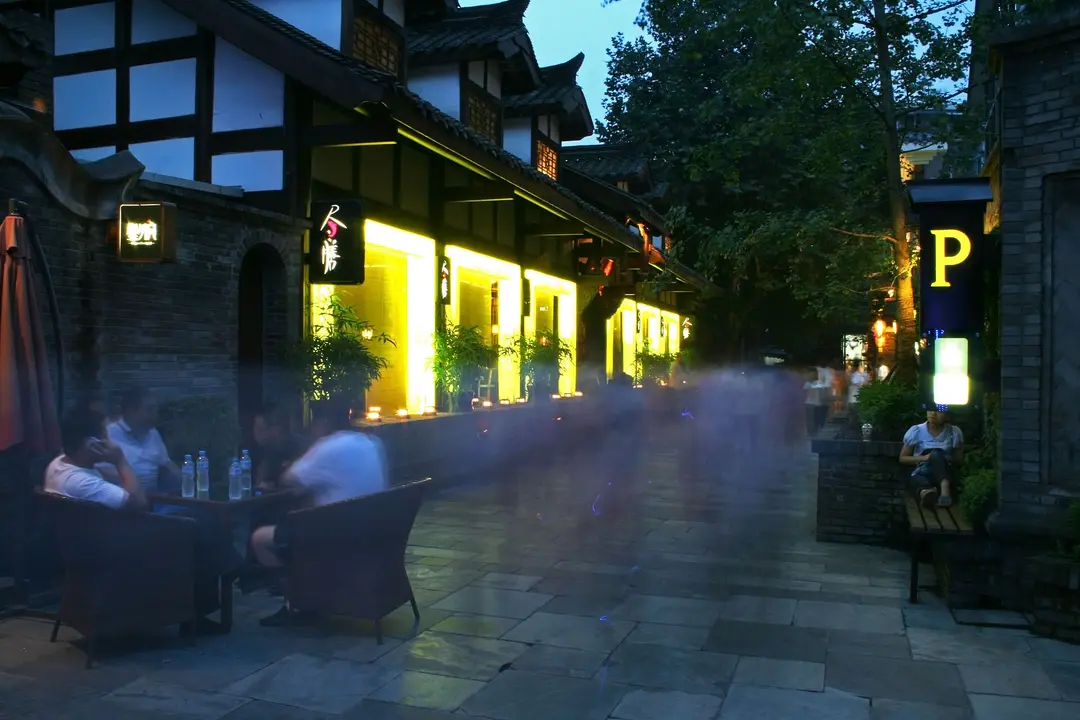
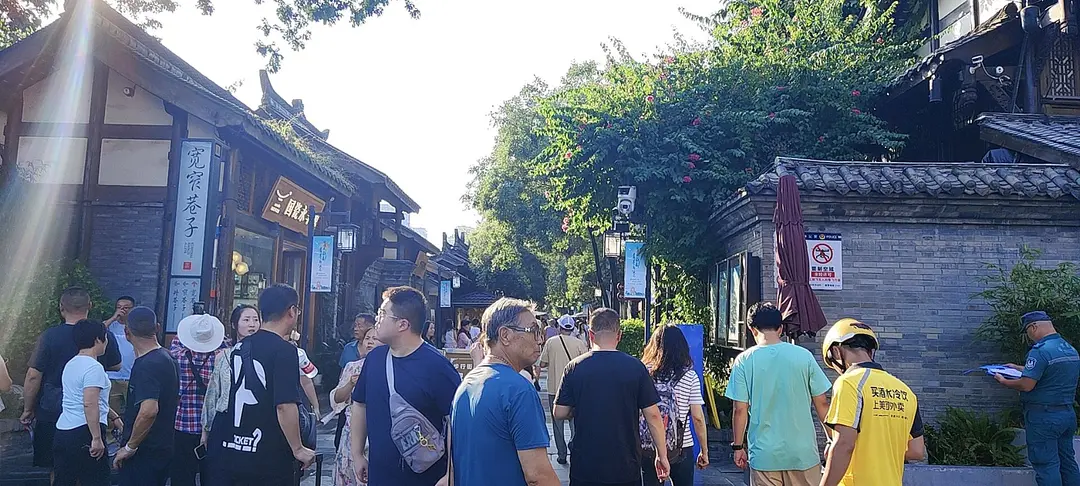
Kuanzhai Alley (宽窄巷子, Kuānzhǎi Xiàngzi), also called the Wide and Narrow Alleys, is a block of three parallel lanes in the old west of central Chengdu. The lanes date from the Qing dynasty. Most of the buildings were rebuilt around 2008 in the old courtyard style of grey brick and wooden gates, and the area became a pedestrian district.
Today the lanes are full of teahouses, restaurants, snack stalls, small hotels and shops. It is lively and commercial, and it is one of the easiest places in Chengdu to see traditional architecture, try snacks and catch a short Sichuan opera show in one evening.
The three lanes
Wide Alley (宽巷子) is the busiest. It has the most restaurants, teahouses and courtyard opera venues, and the most people.
Narrow Alley (窄巷子) is quieter, with galleries, design shops and some of the best-kept old house fronts. It is the nicest lane for a slow walk.
Well Alley (井巷子) is the snack lane. Look for the long carved-brick wall that shows scenes of old Chengdu street life.
How to visit
Arrive by Metro Line 4 at Kuanzhai Alley station and leave by Exit B; the main entrance to Wide Alley is about 150 meters away. People’s Park is about a 10-minute walk away, so the two pair well.
Walk Narrow Alley first while the light is good, then Well Alley for snacks, and save Wide Alley for last as the lanterns come on. Allow about two hours for a relaxed loop with a snack and a drink.
For Sichuan opera, several courtyard teahouses run rolling short shows with face-changing from the afternoon into the evening. Tickets have been about ¥18–28 but often do not include tea, so ask what the price covers before you sit down. For a full evening program, the Shufeng Yayun theater nearby runs a longer show from 8 pm.
When to go
Late afternoon to dusk is the best time. The lanterns come on after sunset, from about 6 pm in winter to about 8 pm in summer. The busiest stretch is about 6 to 9 pm, especially on weekends.
Mornings are quiet but many shops are not yet open. Avoid the Spring Festival, the May 1 holiday and the first week of October if you can; Wide Alley can become hard to walk through.
Wenshu Monastery, the quieter contrast
If Kuanzhai Alley shows Chengdu as a showpiece, Wenshu Monastery (文殊院) shows it at work. It is an active Buddhist monastery north of the old center, with incense smoke, prayer halls, a pagoda, gardens and around 300 Buddha statues. Entry is free.
The monastery is open daily, generally from about 8:00 or 9:00 to 17:00. Opening times differ between sources, so check on arrival. Take Metro Line 1 to Wenshu Monastery station and use Exit K.
Go in the morning. Walk the halls, sit for a while in the teahouse courtyard at the back, and have lunch at the monastery’s vegetarian restaurant, which fills up around midday. The streets around the monastery have small noodle and breakfast shops used by local people.
Dress modestly, with shoulders and knees covered. Do not photograph people at prayer or inside the halls during worship.
A good day: Wenshu Monastery in the morning, lunch nearby, a rest at your hotel or People’s Park, then Kuanzhai Alley at dusk followed by dinner.
Tips
Prices in the lanes are higher than in residential areas. Use them for a snack and a look, and eat your main meal elsewhere; see the Chengdu food guide for what to order.
Most vendors take Alipay and WeChat Pay. If you have not set one up yet, our paying in China guide explains how.
Keep an eye on your bags in the evening crowds. For more on fitting this into your trip, see the Chengdu city guide.
Checked on 29 October 2026. Opening times and ticket rules change; confirm on the official site before you go.